Embarking on a cross-country journey is often painted with romantic brushstrokes: endless highways, changing landscapes, and the thrill of new beginnings. For many, this vision includes their trusty vehicle, a loyal companion on the open road. However, when that journey spans thousands of miles – say, from the bustling streets of New York to the sunny shores of California, or from the vibrant culture of Miami to the tech hubs of Seattle – the reality of driving your car cross country can quickly shift from romantic to relentless. The perceived simplicity of a road trip often masks a labyrinth of hidden costs, unforeseen challenges, and a significant drain on your most valuable resources: time and energy.
Let’s break down the true implications of driving your car across the nation. Consider a hypothetical drive from Boston to Los Angeles, a monumental trek of over 3,000 miles. This isn’t just a weekend jaunt; it’s a commitment of five to six days of intense, non-stop driving, assuming no major detours or extended breaks.
The financial tally begins with fluctuating fuel prices across different states, which can quickly add up. Then, there are the unavoidable expenses of multiple nights in hotels, three meals a day on the road, and the occasional roadside coffee or snack. Beyond these direct costs, there’s the significant wear and tear on your vehicle: thousands of miles accumulating on the odometer, accelerating depreciation, and bringing forward the need for costly maintenance like tire rotations, oil changes, and potentially more serious repairs if an unforeseen issue arises. But perhaps the most critical, yet often overlooked, cost is that of your time and mental well-being.
Days spent white-knuckling the steering wheel mean days not spent settling into your new home, preparing for a new job, connecting with family, or simply decompressing from the monumental task of moving. The physical fatigue, the inherent risks of long-haul driving, and the unpredictability of weather, traffic, and mechanical failures can transform an exciting new chapter into an exhausting ordeal.
This is precisely why understanding how to ship a car cross country has transitioned from a niche service to an essential component of modern, efficient relocation planning. Professional auto transport services offer a strategic, often more cost-effective, and remarkably seamless alternative to the traditional road trip. By entrusting your vehicle to seasoned specialists, you liberate yourself from the burdens of the long drive.
This freedom allows you to travel to your new destination via plane, train, or even enjoy a more leisurely, stress-free journey in another vehicle, arriving refreshed and ready to embrace your new environment. The core benefits extend far beyond mere convenience; they encompass substantial time savings, significant stress reduction, and critical protection for your valuable asset.
Your car bypasses thousands of miles of potential road hazards, varying climate conditions, and the continuous mechanical stress that comes with prolonged operation, ensuring it arrives at its new home in the same pristine condition as when it departed.
Car shipping services are far from a one-size-fits-all solution; they are meticulously tailored to meet the diverse needs of various individuals and vehicle types. Whether you’re a recent graduate sending your first car to a new city, a family relocating their primary SUV, a vintage car enthusiast transporting a prized possession to a show, or a military member undergoing a Permanent Change of Station (PCS), there are specific, optimized options available.
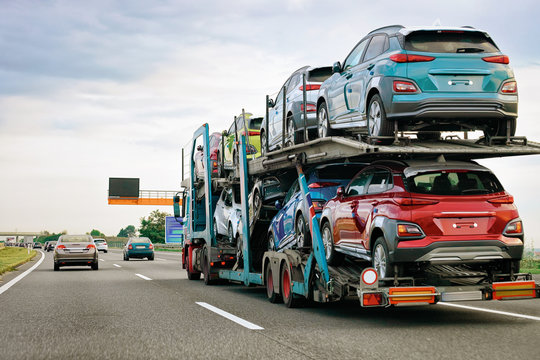
- Open Car Transport: This is the most common and economical choice. Your vehicle is loaded onto an open carrier, similar to those you see transporting new cars to dealerships. While exposed to the elements, this method is incredibly safe and reliable for the vast majority of standard vehicles. It’s the go-to for everyday sedans, SUVs, and trucks.
- Enclosed Transport: For those with luxury cars, vintage automobiles, custom builds, or vehicles requiring maximum protection from road debris, dust, and adverse weather, enclosed transport provides a completely sealed environment. This premium service offers an unparalleled layer of security and peace of mind, making it the preferred choice for high-value assets, albeit at a higher cost.
- Specialized Services: Beyond standard vehicles, professional transporters also handle motorcycles, RVs, boats, oversized vehicles, and even inoperable vehicles. These specialized services ensure that no matter the asset, there’s a safe and efficient way to get it where it needs to go.
When you’re ready to delve into how to ship a car cross country, selecting the right shipping provider is the single most critical decision you’ll make. Thorough due diligence here is paramount to ensuring a smooth, secure, and ultimately satisfactory experience. Here’s a comprehensive checklist of what to prioritize during your selection process:
- Licensing and Insurance Verification: This is non-negotiable. Confirm that the company is fully licensed by the Federal Motor Carrier Safety Administration (FMCSA) – the governing body for interstate commerce. Crucially, they must also possess robust insurance coverage that protects your vehicle from pickup to delivery. Always request proof of both. This safeguards your investment against any unforeseen incidents during transit.
- Reputation and Customer Reviews: In the digital age, a company’s online reputation speaks volumes. Consult independent review platforms (like Google Reviews, Transport Reviews, or Yelp), the Better Business Bureau (BBB), and industry-specific forums. Look for a consistent pattern of positive feedback regarding communication, adherence to schedules, and professional handling of vehicles. Pay close attention to how companies respond to negative feedback; a thoughtful, problem-solving response often indicates a strong commitment to customer satisfaction.
- Transparent and Detailed Pricing: A trustworthy company will provide a clear, itemized quote with no hidden fees, surcharges, or surprise costs. Be extremely wary of quotes that seem significantly lower than all others; these often mask additional charges that will emerge later in the process. Ensure you understand precisely what your quote includes: fuel surcharges, insurance, door-to-door service, and any other potential fees.
- Communication Protocols: Throughout the shipping process, staying informed about your vehicle’s status is crucial. Inquire about the company’s communication methods. Do they offer a dedicated customer service representative? Is there an online tracking system? Will you receive regular email or SMS updates? Proactive, clear, and consistent communication is a hallmark of a reliable service.
- Service Options and Flexibility: Discuss your specific needs in detail. Do you require open or enclosed transport? Is door-to-door service essential for your convenience, or is a terminal-to-terminal option (where you drop off and pick up your vehicle at designated depots) more suitable for your budget or schedule? A good company will offer flexibility and guide you to the best, most economical option for your vehicle and circumstances.
- Pickup and Delivery Logistics: Clarify the exact procedures for both pickup and delivery. Most reputable companies offer door-to-door service, meaning they aim to pick up and deliver as close to your specified addresses as safely and legally possible. Discuss any potential access restrictions for large carriers in residential areas or gated communities.
- Vehicle Preparation Guidelines: A reliable company will provide clear, concise instructions on how to prepare your vehicle for transport. This typically includes ensuring it’s clean (for accurate inspection), has approximately a quarter tank of gas (no more, no less), and that all personal items are removed from the interior.
The process itself, once you’ve chosen your provider, is designed for maximum simplicity on your part. After accepting a quote and scheduling your transport, you’ll prepare your vehicle according to the company’s guidelines. At the time of pickup, a thorough inspection report will be completed by the driver, meticulously noting any existing damage before loading. You’ll receive updates as your vehicle travels cross country, and upon its arrival at your new location, you’ll conduct a final inspection before signing off on the delivery.
Choosing to ship your car cross country is more than just a logistical decision; it’s a strategic investment in efficiency, safety, and your overall peace of mind during a significant life event. It empowers you to streamline your relocation, minimize risks to your valuable vehicle, and focus on the excitement and challenges of your new chapter without the added burden of a long-distance drive. For dependable vehicle transport solutions that prioritize your convenience and your car’s safety, explore the services available at https://www.shipacarinc.com/. Let the experts handle the miles, so you can focus on making your new house a home, or simply enjoying the journey ahead.