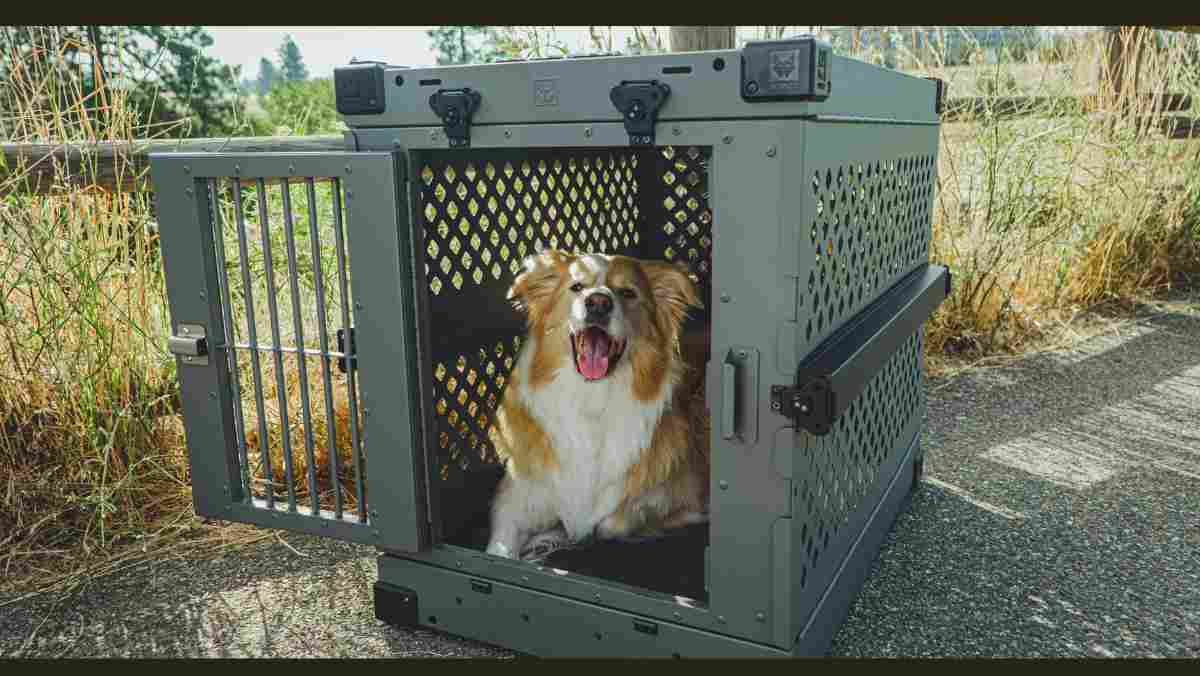
When we think about emergency preparedness, we often imagine food kits, flashlights, and exit routes. But for dog owners, a crucial part of readiness is often underestimated — the crate.
Whether you live in an area prone to wildfires, hurricanes, or sudden evacuations, having a secure, reliable crate ready for your dog can make the difference between chaos and control. It’s not just about convenience during travel — it’s about safety, containment, and protecting your dog’s emotional and physical well-being when everything else feels uncertain.
In recent years, more dog professionals and safety advocates have emphasized the essential role of crates in disaster planning. When used thoughtfully, they’re more than gear — they’re a lifeline.
Let’s take a closer look at how crate preparedness supports emergency readiness and why it deserves a top spot on every pet owner’s checklist.
A Calm Place in the Middle of Crisis
Dogs are sensitive to change. Even minor disruptions can trigger stress, and emergencies amplify that tenfold. Loud noises, smoke, flashing lights, panicked humans, or unfamiliar shelters can overwhelm even the most well-trained pet.
A crate offers a constant in the chaos — a familiar, enclosed space that gives your dog something they can control. When trained to view the crate as a safe zone, dogs instinctively seek it during stress. This reduces the risk of bolting, destructive behavior, or panic-induced injuries.
Experienced trainers and canine behavior experts often recommend creating positive associations with the crate before any crisis arises. This makes the crate feel like home — no matter where you take it.
Why a Crate Helps During Evacuation
In fast-moving disasters like wildfires or flash floods, you may only have minutes to act. Grabbing your dog, their food, meds, and documents is already a challenge — trying to corral a panicked pet without a secure crate adds even more risk.
Here’s how a crate becomes a tool, not a burden:
- Safe transportation: It keeps your dog secure in the vehicle, reducing distractions while you drive.
- Containment in public or chaotic areas: Shelters, hotels, or friend’s homes may have other animals or unfamiliar people — a crate gives your dog a secure buffer zone.
- Separation from hazards: Whether it’s broken glass, toxic fumes, or falling debris, a crate helps limit exposure.
- Preventing escapes: Stressed dogs often run — crates remove that danger.
- Easier management: During long waits or crowded spaces, it’s easier for volunteers or emergency workers to help when a dog is safely crated.
Training for the Unexpected
Crate training isn’t just for puppies or travel. When included in your dog’s daily routine, it becomes a powerful behavioral foundation. A crate-trained dog understands how to wait calmly, rest without constant stimulation, and respond to direction in unfamiliar settings.
Many dog owners overlook this part of training, but it pays off exponentially during emergencies. If you’re sheltering in place or spending long hours in a crowded space, your dog’s ability to remain calm in a crate improves not only their safety — but yours.
Some dog behavior experts even incorporate crate games into training to make the space more inviting. Little steps like feeding meals in the crate, giving long-lasting chews inside, or playing relaxation soundtracks all build comfort and confidence.
What to Look for in a Reliable Emergency Crate
When selecting a crate that will serve you during an emergency, durability and practicality are key. Features to prioritize include:
- Ventilation: Airflow is crucial, especially in hot conditions or during smoke exposure.
- Lightweight but strong: Easy to carry but won’t collapse under stress.
- Escape-proof: Secure latches and reinforced frames to prevent breakouts.
- Easy to clean: Accidents are common during high-stress events — non-porous materials are best.
- Comfortable space: Your dog should be able to lie down, stand, and turn around easily.
One example of crates designed with all of these elements in mind is Impact Dog Crates. Known for their robust build, ventilation, and portability, these crates are favored by handlers who work in high-stress or unpredictable environments.
Build a Crate Go-Kit
If you’re serious about pet emergency planning, consider keeping a crate “go-kit” packed and ready. Here’s what to include inside or near your dog’s emergency crate:
- A leash and slip lead
- Collapsible water and food bowls
- Extra bottled water and food
- Waste bags and cleaning supplies
- Medications and vet records in a waterproof pouch
- A blanket or calming mat with your dog’s scent
- A comfort item (like a chew or favorite toy)
Having this kit prepped ensures that if you need to leave quickly, you’re not scrambling to collect essentials while your dog is under stress.
Emotional Safety Is Physical Safety
One of the most underrated parts of using a crate during emergencies is how it protects your dog’s emotional state. Fear can lead to aggression, biting, or trauma that lasts long after the crisis ends. Giving your dog a secure space to retreat can help them feel protected, even when everything else is changing.
Resources from behavior-focused communities often emphasize this emotional side of safety. Crate training isn’t just about physical boundaries — it’s about giving your dog predictability and agency when life feels out of control.
Conclusion: Plan Ahead, Not in Panic
Disasters rarely come with a warning. But that doesn’t mean we can’t be ready.
For dog owners, preparation goes beyond food and first aid. It includes understanding how to keep your dog calm, safe, and manageable when the world turns upside down. And that starts with a crate — not as a backup, but as a central piece of your emergency plan.
The crate isn’t just a container. In a crisis, it’s your dog’s security system, sanctuary, and safe transport all in one.
So don’t wait for the sirens. Train now. Prepare today. Because when you plan ahead, your dog doesn’t just survive — they feel safe, no matter what comes.