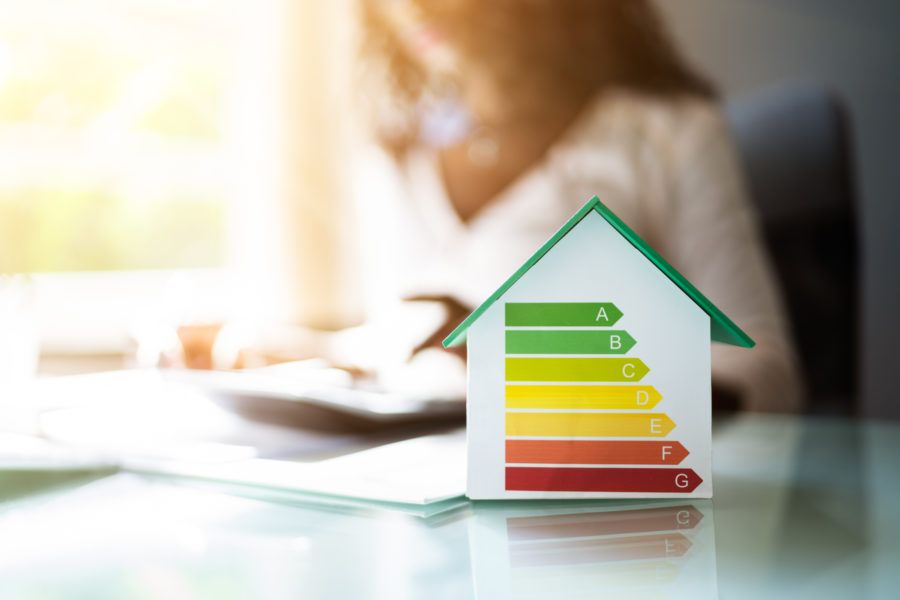
If you’re planning to sell, rent, or buy a home in the UK, there’s one document that always comes up — the EPC Certificate. Whether you’re a homeowner, landlord, or even a tenant, knowing what an EPC is and how it works can really help you make better decisions.
What is an EPC Certificate?
The Energy Performance Certificate (EPC) is an official document that tells you how energy-efficient a property is. It gives a rating from A (most efficient) to G (least efficient), along with tips on how to improve the rating.
It also shows how much you might spend each year on heating, lighting, and hot water. This helps people understand how energy-efficient a home is before buying or renting it. Buyers and tenants often use the EPC to compare properties and make decisions based on potential energy costs.
Why is an EPC Important?
An EPC isn’t just paperwork — it actually plays a big role in the property market and for homeowners. Here’s why:
1. It’s Legally Required
If you’re selling or renting out a property in the UK, you must have a valid EPC. Without it, you may face delays in the transaction process, and in some cases, even financial penalties.
2. It Helps Buyers and Tenants
It gives a clear picture of how much energy a home will use and what it might cost to live there, which is important when comparing different properties.
3. It Shows Areas for Improvement
The EPC includes personalised recommendations that can help improve energy efficiency. These suggestions might include upgrades like loft insulation, double glazing, or energy-saving light bulbs — changes that can also reduce your energy bills.
4. It Adds Value to Your Property
Homes with better energy ratings often attract more attention from buyers and renters. A higher rating may even help sell or rent your property faster and at a better price.
Who Needs an EPC?
You will need an EPC if you are:
- Selling a property
- Renting it out to tenants
- Building a new home
- Renewing a tenancy in some cases
There are a few exceptions, such as certain listed buildings or temporary structures, but for the majority of properties in the UK, having a valid EPC is required by law.
How to Get an EPC Certificate?
Getting an EPC is straightforward. A certified Domestic Energy Assessor visits your property, carries out an inspection, and then issues the certificate — usually within a few days.
For those who want a smooth, reliable experience, there’s a trusted website called epc.landregistry.org This platform is known for helping people apply for their EPC without any confusion. It connects you to authorised assessors, allows you to check if your property already has a certificate, and makes the whole process easier, especially if you’re unfamiliar with government portals.
Many homeowners and landlords have found it useful because it cuts through the usual delays and gives clear step-by-step support — from checking your property details to applying for a new certificate.
What’s Included in an EPC?
The certificate provides detailed information about:
- Your property’s current energy efficiency rating (A–G)
- Estimated energy costs for heating, lighting, and hot water
- Carbon dioxide (CO₂) emissions
- Suggested improvements to raise the energy rating
- Details of the current heating system and insulation
These details help property owners and potential buyers understand the running costs of the home and its environmental impact.
How Long is an EPC Valid?
EPC remains valid for 10 years. However, if you’ve made major upgrades — like fitting new insulation, replacing windows, or installing a new heating system — it’s a good idea to get an updated certificate. An improved EPC rating can be a strong selling point.
What is the Cost of an EPC?
The cost of obtaining an EPC can vary depending on the type, size, and location of the property. On average, it ranges between £35 and £120. It’s always best to work with an accredited assessor to ensure the report is valid and accurate.
Can You Improve Your EPC Rating?
Absolutely. If your property has a lower rating, there are several ways to improve it. Common methods include:
- Installing loft or cavity wall insulation
- Replacing single-glazed windows with double glazing
- Upgrading to an energy-efficient boiler
- Switching to LED lighting
- Adding solar panels or using other renewable energy sources
Even small changes can have a noticeable impact on your energy rating and your monthly utility bills.
The EPC Certificate is more than just a requirement — it’s a valuable tool that provides insights into your property’s energy performance and offers clear ways to improve it. With energy efficiency becoming increasingly important to both homeowners and buyers, having a good EPC rating can make your property more appealing and future-ready.
If you’re planning to sell, rent, or even just improve your home, make sure your EPC is up to date. Trusted platforms like epc.landregistry.org can guide you through the process and help you get your certificate quickly and without confusion.