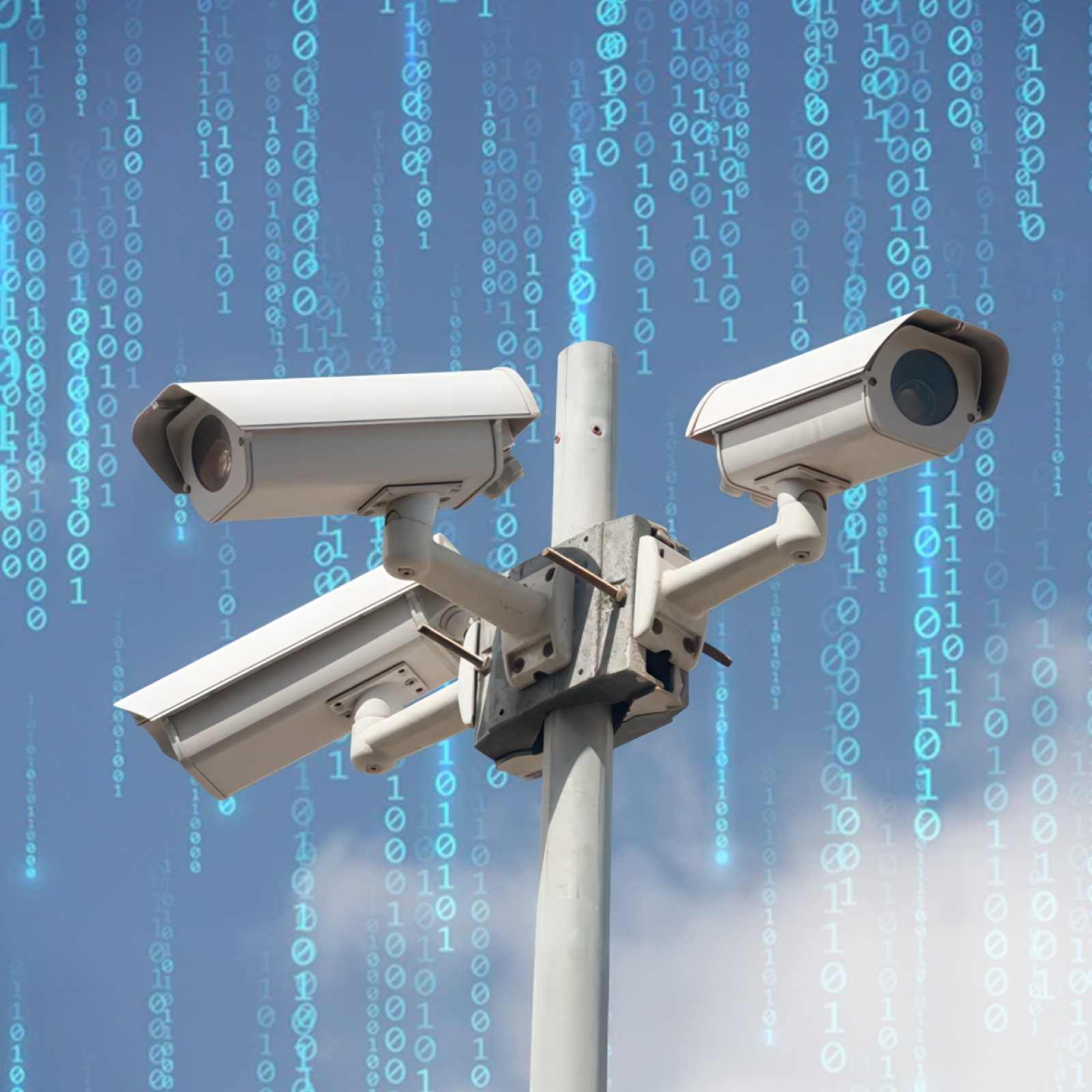
The recent confirmation that U.S. Immigration and Customs Enforcement (ICE) has access to ALPR camera data has sparked a new wave of privacy concerns. While these license plate readers were originally introduced for local traffic enforcement and public safety, their use has rapidly expanded — now extending to immigration enforcement.
Millions of plates are scanned daily across cities, suburbs, and toll roads. With ICE tapping into this data, individuals are now being tracked for reasons far beyond parking tickets or traffic violations. And all of this happens silently — without a warrant or public awareness.
For many drivers, this reinforces the need for personal control. Products like theblackout license plate cover are gaining attention not just from car enthusiasts, but from everyday people concerned about privacy in an era of expanding surveillance.
How ALPR Camera Networks Share Data with Federal Agencies
The network of ALPR cameras is vast, interconnected, and mostly invisible to the public. Local police, private parking firms, toll road operators, repossession services, and even neighborhood groups feed data into massive shared databases. Every plate scan records time, location, and often surrounding context — and this data can be stored for years.
ICE doesn’t need its own ALPR system. Instead, it buys access to commercial and government platforms — effectively outsourcing surveillance. A scan outside your workplace, school, or on a toll road can quietly end up in a federal immigration file.
There’s no national law requiring disclosure of how ALPR data is shared or stored. Without transparency or oversight, agencies can access your movement history without a warrant — and use it for civil enforcement. This raises serious ethical concerns, turning routine scans into silent tracking tools.
License Plate Hider Demand Grows with Public Awareness
As awareness spreads about how plate data is used, so does interest in self-defense tools like the License plate hider or Blackout system. These aren’t meant to break the law — they’re designed to restore control over when and where your plate is exposed.
People are using these tools legally in:
- Private garages or driveways
- Automotive events, shoots, and showrooms
- Long-term storage or dealership lots
- For protection against speed cameras and simple parking lot parking
They also help protect against passive scanning by traffic or surveillance cameras when your vehicle is parked. In an era where a license plate blackout system may prevent your data from ending up in a federal database, the appeal is obvious.
These products are no longer niche. They’re becoming part of responsible vehicle ownership — especially for those who value privacy.

ICE Involvement Signals a Dangerous Shift in ALPR Use
When ICE accesses plate data originally collected for traffic enforcement, the implications go far beyond the road. People attending doctor appointments, dropping kids off at school, or just commuting to work are now part of a nationwide surveillance dragnet — without being accused of any crime.
This kind of mission creep turns ALPR camera networks into tools for mass location tracking, regardless of legal status. It’s not limited to border states either — ALPR scans on toll roads in New York or Illinois can just as easily feed into ICE systems.
Even worse, there’s no formal oversight or audit trail. Drivers don’t know how long their scans are retained, who sees them, or how they’re used. And that’s why blackout solutions are gaining momentum — not out of fear, but out of self-protection.
Why More Drivers Are Choosing Blackout License Plate Covers
Drivers can’t stop cities from installing plate readers — but they can reduce unnecessary exposure. That’s where tools like the blackout license plate cover come in.
What drivers are doing:
- Using Blackout systems in legal, private settings
- Monitoring ALPR use in their communities
- Choosing to obscure their plate when parked or on display
A License plate hider helps prevent passive scans by ALPRs, mall cameras, or even mobile plate readers in parking enforcement vehicles. While not legal for use in traffic, they serve a valid purpose off the road — keeping your plate out of massive databases when it doesn’t need to be there.
And with federal agencies like ICE leveraging those scans for non-criminal enforcement, the value of protecting your plate has never been clearer.
Where ICE-related ALPR activity is increasing:
- Metro areas with immigrant communities
- Toll roads and highway corridors
- Private commercial parking lots linked to national databases
Why privacy tools matter:
- They help limit your exposure to federal tracking
- They reduce the risk of wrongful matches or alerts
- They empower you to decide when your plate is visible
That’s why tools like the blackout license plate cover are more relevant than ever. They’re not about hiding — they’re about saying: “My vehicle, my choice.”
More drivers are realizing they can’t rely on policy changes alone. While debates about oversight continue, their data is being scanned, stored, and shared in real time. Using a License plate hider in legal settings offers a clear way to opt out — to say no to constant surveillance, and yes to personal control.
In a system where visibility equals vulnerability, choosing to control when your plate is scanned is more than a preference — it’s a smart, legal line of defense.